No Decision Is a Decision

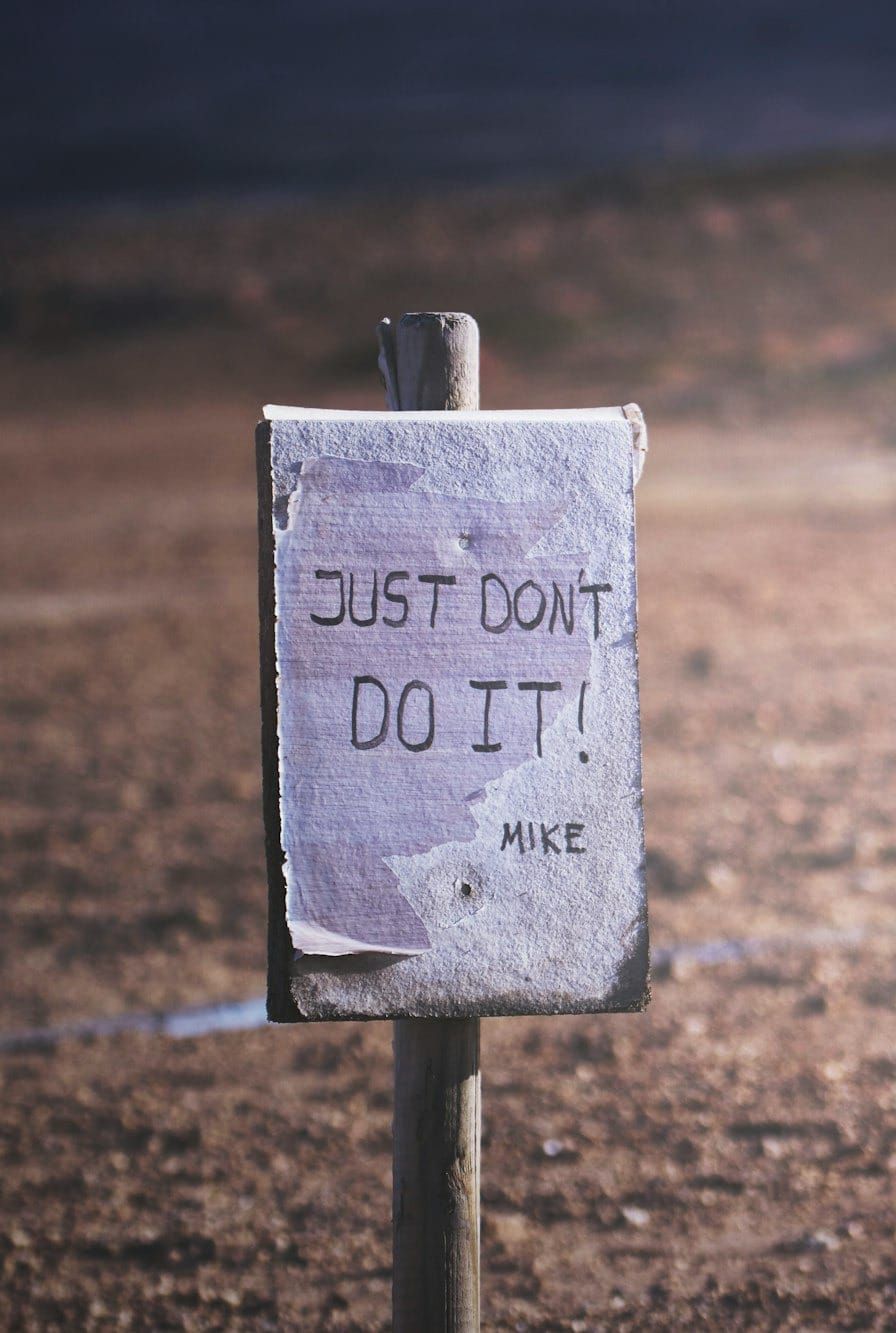
In my previous life as a corporate executive and later as an entrepreneur, I often felt there was never enough time or information to make decisions. Yet decisions had to be made.
Some decisions were small, with modest consequences. Others were major decisions affecting employees, customers, investors, and the future of the business. Some were small, with modest consequences. Others were major decisions affecting employees, customers, investors, and the future of the business.
In a perfect world, I would have preferred more time and better information. But I didn't live in a perfect world then, and I certainly don't now.
Over the years, I learned that the fear of making the wrong decision can be more damaging than the wrong decision itself. Not all decisions are created equal. Some are easily reversed. Others are not. If you can easily undo a decision, speed often matters more than precision. Make the call, see what happens, and adjust as you learn. If you're wrong, fix it.
Save the deep analysis for decisions with serious or lasting consequences. Those deserve more thought, better information, and perhaps some scenario planning. But even big decisions don't always give you that luxury. Sometimes you simply have to act.
As a sales VP, I faced pricing decisions almost every day. Price too high and you risk losing the deal. Price too low and you leave money on the table. There was always someone willing to offer a lower price. But the lowest price wasn't necessarily the best deal for the customer. Quality, reliability, and service mattered, too. Most significant deals involved negotiations rather than a take-it-or-leave-it price. Starting with a higher but defensible price gave us room to negotiate and find a win-win agreement.
Did I have perfect knowledge of my competitors' pricing strategies? Almost never.
Did my customers? Usually not.
Yet I made pricing decisions every day. I used the information I had, relied on my judgment, and adjusted when necessary. Making a decision didn't mean I was certain I was right. It meant I was willing to act without being certain.
One of the great traps in decision-making is believing that just a little more information will make the right choice obvious. Sometimes it will. Often it won't. I've watched executives request another report, another study, or another meeting. At some point, the search for information becomes an excuse for avoiding responsibility.
Ask yourself: Will more information actually change my decision, or am I just postponing the discomfort of making it? There is a difference between being thoughtful and being afraid. I've made plenty of bad decisions. Anyone who has spent decades in leadership has. Competent leaders recognize mistakes, change direction, and respond to new information. That's not weakness. That's good judgment.
One of the things I admired about entrepreneurs was their willingness to act without knowing everything. They couldn't afford endless analysis. They made decisions, tested assumptions, and learned from the results.
Action produces real feedback. Waiting often produces nothing more than additional speculation. Give yourself a reasonable deadline. Gather what information you can, listen to people you trust, and make the call.
I've spent time in corporations, startups, and universities. The differences in how these organizations make decisions can be remarkable. In some organizations, people are encouraged to take reasonable risks and learn from mistakes. In others, particularly large bureaucratic institutions, the safest career move can be to avoid making a decision at all. Committees meet. Reports are written. More meetings are scheduled. Everyone has an opinion, but nobody wants to own the outcome.
When making the wrong decision can damage your career while making no decision carries little personal consequence, the incentives are obvious. Unfortunately, the organization pays the price.
Here is the irony. When you decide not to decide, you have still made a decision. You have decided to accept the status quo. You may have allowed an opportunity to pass or someone else to make the decision for you. Sometimes waiting is the right choice. But waiting should be a deliberate strategy, not a disguise for fear.
Leadership doesn't require perfect information or perfect judgment. It requires the willingness to make the best decision you can with what you know, and the humility to change your mind when you're wrong.
Ironically, no decision is a decision.
John Bradley Jackson
© Copyright 2026. All rights reserved.
P.S. Don't be like Mike.